Share This Article
The central air conditioner vs heat pump decision comes up constantly for Richmond homeowners replacing an aging system, and it’s a more nuanced choice than most people expect going in. Both systems cool a home effectively in summer, but they differ significantly in how they handle winter, what they cost to operate, and which homes they’re genuinely the better fit for. Understanding those differences before a replacement decision gets made — rather than defaulting to whatever was already installed — can mean a meaningfully better outcome on comfort and energy costs for years to come.
How Each System Actually Works
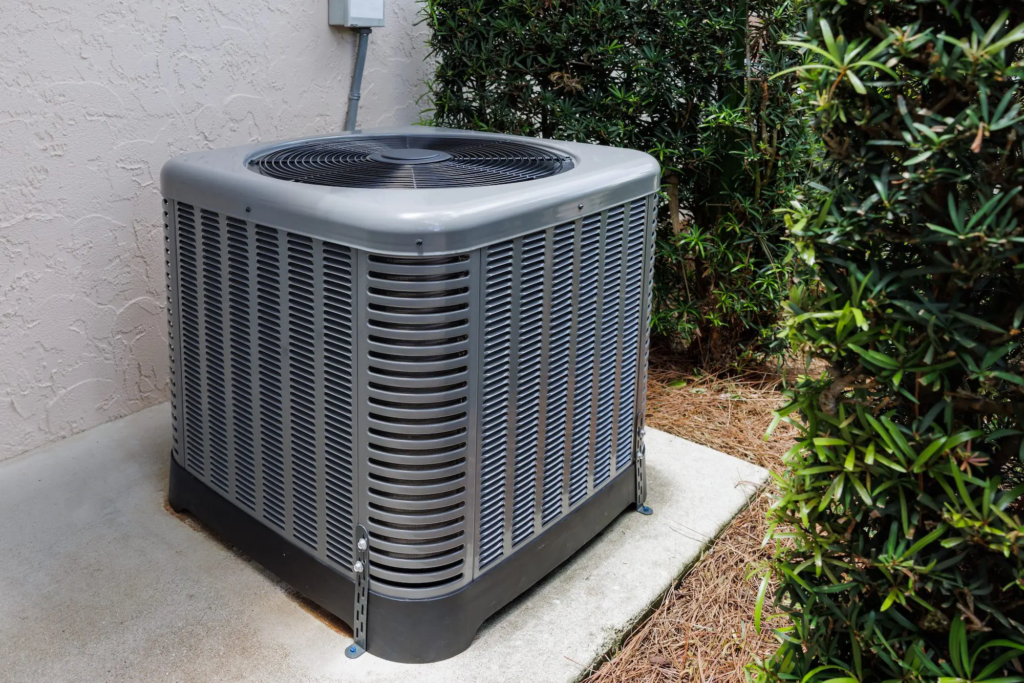
A central air conditioner is a cooling-only system. It removes heat from inside the home and expels it outside through refrigerant cycling between the indoor coil and the outdoor condensing unit. For heating, a home with central air conditioning needs a separate system entirely — typically a gas furnace that handles the winter half of the equation independently.
A heat pump does both jobs through a single piece of equipment by reversing the refrigerant cycle. In summer it operates essentially like an air conditioner, pulling heat from inside and releasing it outdoors. In winter it reverses that process, pulling latent heat from the outdoor air — even cold air still contains extractable heat — and moving it inside. One system, two seasons, no separate furnace required in moderate climates.
Why Climate Matters for This Decision
Richmond’s climate sits in a genuinely interesting middle zone for this comparison. It’s warm enough that air conditioning runs heavily for several months, but cold enough in winter that heat pump efficiency becomes a real consideration. Heat pumps lose efficiency as outdoor temperatures drop toward freezing, since there’s simply less ambient heat available to extract from colder air. In genuinely cold climates, heat pumps often need a supplemental heat source for the coldest stretches of winter.
Richmond’s winters, while real, are moderate enough that a properly sized modern heat pump handles the heating load effectively for the vast majority of the season without needing significant supplemental backup. That makes the air conditioner versus heat pump decision less clear-cut here than it would be in a much colder or much milder climate.
The Cost Comparison Over Time
Upfront installation costs for a heat pump system are typically higher than installing a central air conditioner paired with a standard gas furnace, primarily because the heat pump equipment itself is more complex. But the operating cost picture often favors heat pumps over the system’s lifespan, particularly in homes without existing gas service where installing a gas line for a furnace would add significant cost to the air conditioner path.
For homes that already have gas heating in place and functioning well, replacing only the air conditioning side with a new central unit while keeping the existing furnace is often the more cost-effective near-term choice. For homes without gas service, or where the furnace and AC both need replacement simultaneously, a heat pump frequently makes more financial sense once installation and operating costs are evaluated together rather than in isolation.
What This Means for Aging Systems
For Richmond homeowners facing a failing AC unit or aging furnace, this is exactly the right moment to evaluate central air conditioner vs heat pump options rather than simply replacing what’s already there with the same type of equipment. A proper load calculation and HVAC inspection accounts for the home’s specific insulation, square footage, window efficiency, and existing infrastructure to determine which path actually makes sense rather than relying on assumptions based on what neighbors have installed.
Making the Right Call for Your Home
There’s no universally correct answer to the central air conditioner vs heat pump question — the right choice depends on existing infrastructure, budget, how long you plan to stay in the home, and how much weight you place on long-term operating costs versus upfront installation price. Getting a professional assessment that accounts for your home’s specific characteristics, rather than a generic recommendation, is the only way to make this decision with real confidence.